


What to Do If a Tooth Is Knocked Out, Chipped, or Cracked
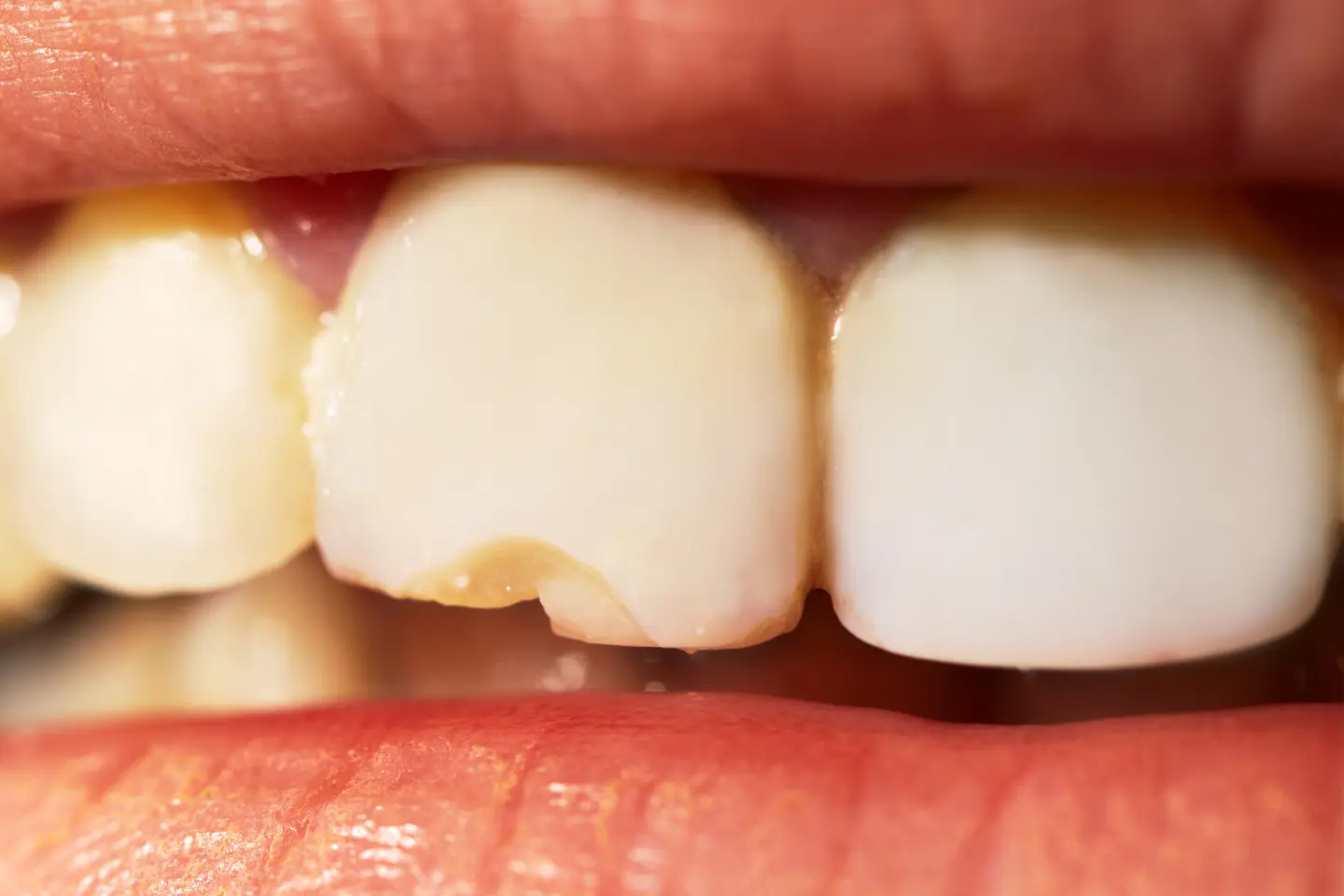
A dental injury can happen when you least expect it. A fall, sports accident, car accident, or even biting down on something hard can leave you with a knocked-out, chipped, or cracked tooth. While some dental injuries may seem minor at first, others require immediate attention to prevent complications and protect your natural smile.
Knowing what to do when a tooth gets damaged can make a significant difference in the outcome. Acting quickly, protecting the injured tooth, and seeking professional dental care can improve the chances of saving it.
At Dental Limited, we understand that dental emergencies can be stressful. This guide explains how to handle different types of tooth injuries, when to seek emergency dental care, and what treatment options may help restore your smile.
Understanding Different Types of Dental Injuries
Not all tooth injuries are the same. The appropriate response depends on the type and severity of the damage.
What Happens When a Tooth Is Knocked Out?
A knocked-out tooth, also called an avulsed tooth, occurs when the entire tooth is displaced from its socket. This commonly happens because of a sports injury, accidental fall, or direct impact to the mouth.
Permanent teeth that have been completely knocked out require immediate attention. In some cases, a dentist may be able to reimplant the tooth, particularly when treatment is provided quickly.
Baby teeth should not be placed back into the socket because doing so may damage the developing permanent tooth underneath.
What Happens When a Tooth Is Chipped?
A chipped tooth occurs when a small portion of the tooth breaks away. It may affect the enamel or extend into deeper layers, depending on the force of the injury.
Common causes include:
- Biting down on hard foods, such as ice or hard candy.
- Accidental falls or sports injuries.
- Using teeth to open packages.
- Teeth grinding or clenching.
- Existing cavities or weakened enamel.
Small chips may not cause pain, but larger ones can expose sensitive inner tooth structures.
What Happens When a Tooth Is Cracked?
A cracked tooth develops when a fracture forms within the tooth structure. Unlike a chip, which involves a missing piece, a crack may extend vertically or horizontally through the tooth.
Common warning signs include:
- Sharp pain when biting or chewing.
- Sensitivity to hot and cold foods.
- Discomfort that comes and goes.
- Pain when releasing your bite.
- Swelling around the affected tooth.
A cracked tooth should never be ignored because the fracture may gradually extend toward the pulp or root.
What to Do If a Tooth Gets Knocked Out
A knocked-out permanent tooth is a time-sensitive dental emergency. The sooner you receive treatment, the better the chances of saving it.
1. Find the Tooth
Locate the missing tooth as quickly as possible. Pick it up by the crown, which is the visible chewing portion, rather than touching the root.
The root contains delicate tissues that are important for successful reimplantation.
2. Rinse It Gently
If the tooth is dirty, rinse it briefly with milk or saline solution. Clean water can also be used if nothing else is available.
Avoid scrubbing the tooth, using soap, or removing any attached tissue.
3. Try to Reinsert It if Possible
If it is a permanent tooth and you can do so safely, gently place it back into its socket. Do not force it into position.
If reinsertion is not possible, keep the tooth moist by placing it in a container of milk or an appropriate tooth preservation solution.
Avoid storing it in plain water for extended periods.
4. Seek Emergency Dental Care Immediately
Contact an emergency dentist immediately, even if you successfully place the tooth back into its socket.
Ideally, a knocked-out permanent tooth should be reimplanted within 30 minutes for the best possible chance of survival. However, treatment may still be worthwhile if more time has passed.
What to Do If You Chip a Tooth
A chipped tooth may not always require emergency treatment, but it should be evaluated by a dentist.
Here is what you can do while arranging an appointment:
- Rinse your mouth gently with warm water.
- Apply a cold compress to the outside of your cheek if swelling develops.
- Avoid chewing on the injured side.
- Choose soft foods until the tooth is evaluated.
- Cover a sharp edge with dental wax if it irritates your tongue or cheek.
- Save any broken fragments and bring them to your appointment.
If the chip exposes the inner tooth structure or causes significant pain, seek prompt dental attention.
What to Do If You Crack a Tooth
A cracked tooth can be difficult to identify because the fracture may not always be visible.
If you suspect a cracked tooth:
- Stop chewing on the affected side.
- Rinse your mouth gently with warm water.
- Use a cold compress if swelling occurs.
- Avoid extremely hot, cold, or hard foods.
- Schedule a dental evaluation as soon as possible.
If you experience severe pain, facial swelling, fever, or difficulty swallowing, seek urgent medical or dental attention.
Dental Treatments for Knocked-Out, Chipped, and Cracked Teeth
The right treatment depends on the location of the injury, how much tooth structure remains, and whether the pulp or root is affected.
Dental Bonding
Dental bonding is commonly used to repair small chips and minor cosmetic damage. A tooth-colored composite resin is applied to the damaged area and shaped to restore the tooth's appearance.
It is a relatively conservative option for minor injuries.
Dental Veneers
For selected front-tooth injuries, a dental veneer may help restore the appearance of a tooth when sufficient healthy structure remains. However, veneers are not suitable for every type of crack or fracture.
Dental Crowns
A dental crown covers the visible portion of a damaged tooth. It may be recommended when a large portion of the tooth is weakened or fractured.
Crowns help restore the tooth's shape, function, and structural protection.
Root Canal Treatment
If a crack or injury damages the dental pulp, root canal treatment may be necessary.
During the procedure, the dentist removes infected or damaged pulp tissue, cleans the root canals, and seals the tooth. A dental crown may be recommended afterward to protect the remaining structure.
Tooth Reimplantation and Stabilization
When a permanent tooth is knocked out, a dentist may attempt to reinsert it into its socket and stabilize it with a temporary splint.
Follow-up examinations are necessary to monitor healing and determine whether additional treatment is required.
Tooth Replacement Options
If a tooth cannot be saved, replacement options may include a dental implant, dental bridge, or partial denture, depending on the patient's oral health and individual needs.
How to Prevent Dental Injuries
Although accidents cannot always be avoided, a few precautions can reduce your risk of tooth damage.
- Wear a properly fitted mouthguard during contact sports.
- Avoid chewing ice, hard candy, and other extremely hard objects.
- Never use your teeth to open bottles or packaging.
- Address teeth grinding with appropriate dental treatment.
- Maintain regular dental checkups to identify weakened teeth.
- Treat cavities before they cause significant structural damage.
Frequently Asked Questions
Q1. Can a knocked-out tooth be saved?
Yes, a knocked-out permanent tooth may be saved if it is handled correctly and reimplanted quickly. Keeping it moist and seeking immediate dental care improves the chances of successful treatment.
Q2. Is a chipped tooth a dental emergency?
A small chip without pain may not require emergency treatment, but it should still be evaluated. Large chips, exposed inner tooth structures, bleeding, or severe pain require prompt attention.
Q3. Can a cracked tooth heal on its own?
No. Unlike bone, a cracked tooth cannot naturally repair itself. Dental treatment is necessary to prevent the damage from progressing.
Q4. How do I know if my cracked tooth needs a root canal?
A root canal may be necessary if the crack reaches the pulp and causes inflammation or infection. Your dentist will assess the tooth using an examination and appropriate diagnostic tests.
Q5. Should I go to the emergency room for a broken tooth?
Most isolated dental injuries are best treated by a dentist. However, visit an emergency room if you have severe facial trauma, uncontrolled bleeding, difficulty breathing or swallowing, or a suspected jaw fracture.
Q6. How long can I wait to see a dentist after chipping a tooth?
It is best to schedule an appointment promptly. Even painless chips can expose vulnerable tooth structures and become more complicated if left untreated.
Restore Your Smile With Timely Dental Care
A knocked-out, chipped, or cracked tooth should never be ignored. Getting the right treatment early can help prevent further damage, relieve discomfort, and preserve your natural teeth whenever possible.
If you have experienced a dental injury, contact Dental Limited to schedule an evaluation. Our team can assess the damage and discuss appropriate treatment options to help restore your oral health and smile.

© Dental Limited. All rights reserved. 2026 | Privacy Policy | Digital Marketing by Remedo