


What Are Dental Veneers? Benefits, Types, Costs & How Long They Last
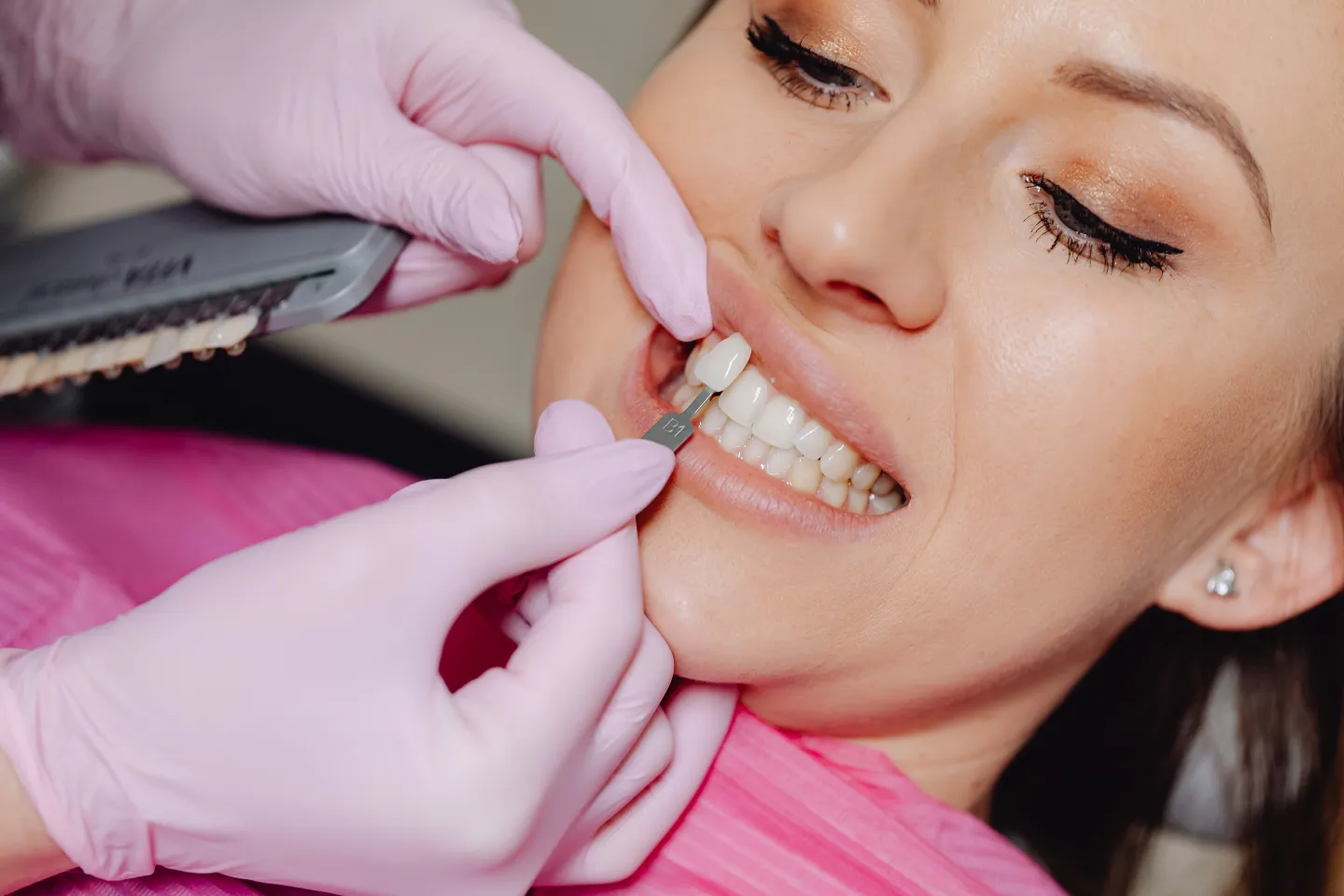
If you have ever wished your teeth looked more even, brighter, or more uniform, you may have heard about dental veneers. Veneers are a popular cosmetic dentistry option that can change the appearance of teeth while preserving much of their natural structure.
But are veneers right for everyone? How much do they cost? What types are available, and how long can you expect them to last?
Understanding how veneers work can help you have a more informed conversation with your dentist before deciding whether cosmetic dental treatment is right for you.
What Are Dental Veneers?
Dental veneers are thin, custom-made shells that are bonded to the front surfaces of teeth. They are designed to improve the appearance of teeth affected by discoloration, chips, minor cracks, uneven shapes, small gaps, or other cosmetic concerns.
Veneers are usually made from porcelain or composite resin.
Unlike a dental crown, which covers most or all of a tooth, a veneer generally covers only the visible front surface. This makes veneers primarily a cosmetic treatment rather than a replacement for a severely damaged tooth.
What Can Dental Veneers Correct?
Veneers may be considered for several cosmetic concerns.
Tooth Discoloration
Some types of discoloration do not respond well to traditional teeth whitening. Veneers can cover certain stains and create a more uniform appearance.
Chipped Teeth
Small chips can sometimes be improved with veneers, depending on the location and extent of the damage.
Uneven Tooth Shape
Veneers can change the visible shape of teeth to create a more balanced smile.
Small Gaps
For some patients, veneers can reduce the appearance of small spaces between teeth.
Slightly Uneven Teeth
Veneers may improve the appearance of teeth that are mildly irregular without requiring orthodontic treatment in selected cases.
However, veneers are not a substitute for orthodontics when teeth require significant movement.
Types of Dental Veneers
The two most common types are porcelain veneers and composite veneers.
Porcelain Veneers
Porcelain veneers are custom-made in a dental laboratory.
They are known for their natural appearance and resistance to staining. Porcelain also reflects light in a way that can closely resemble natural tooth enamel.
The process generally requires one or more dental appointments, depending on the treatment plan.
Composite Veneers
Composite veneers are made from tooth-colored resin that is applied and shaped directly on the teeth.
One advantage is that treatment may be completed more quickly than porcelain veneers. Composite veneers can also sometimes be repaired more easily if they become damaged.
However, composite resin may be more prone to staining and wear than porcelain.
Your dentist can help determine which option is appropriate based on your goals, oral health, bite, and budget.
What Are the Benefits of Dental Veneers?
Veneers can offer several cosmetic benefits.
A More Uniform Smile
Veneers can improve the shape, size, and color of selected teeth, helping create a more consistent appearance.
Natural-Looking Results
Modern porcelain veneers can be designed to mimic the appearance of natural enamel.
Your dentist can consider factors such as tooth color, facial proportions, and the shape of your smile when planning treatment.
Stain Resistance
Porcelain is relatively resistant to staining compared with natural tooth enamel and some composite materials.
However, good oral hygiene and regular dental care are still important.
Minimal Tooth Preparation
Veneers generally require less tooth reduction than traditional crowns, although some preparation may still be necessary.
The amount depends on the type of veneer, the existing tooth structure, and the desired result.
Are Veneers Permanent?
Veneers are considered a long-term cosmetic dental treatment, but they are not permanent.
They can eventually need repair or replacement because of normal wear, damage, changes in the surrounding teeth, or other factors.
How long veneers last depends on their material, oral hygiene, bite forces, habits, and overall dental care.
How Long Do Dental Veneers Last?
There is no single lifespan that applies to every patient.
Porcelain veneers can last many years with appropriate care. Composite veneers may have a shorter average lifespan and may require maintenance or replacement sooner.
To help extend the life of your veneers:
- Brush twice daily
- Clean between your teeth every day
- Attend regular dental appointments
- Avoid chewing ice
- Do not bite pens or hard objects
- Avoid using your teeth to open packages
- Wear a dentist-recommended nightguard if you grind your teeth
How Much Do Dental Veneers Cost?
The cost of veneers varies considerably.
Factors that can affect the total cost include:
- Number of veneers
- Type of material
- Laboratory fees
- Tooth preparation
- Dentist's experience
- Geographic location
- Additional dental treatment required
Because every smile is different, the best way to determine your cost is through an individual consultation.
Dental insurance may not cover veneers when they are performed solely for cosmetic reasons. However, financing or payment options may be available depending on the dental office.
Who Is a Good Candidate for Veneers?
Veneers may be appropriate for adults with healthy teeth and gums who want to improve specific cosmetic concerns.
Before veneers are placed, your dentist will evaluate your oral health.
Cavities, gum disease, significant enamel damage, or untreated infections may need to be addressed first.
Patients who grind or clench their teeth may also need additional protection to reduce the risk of veneer damage.
What Is the Veneer Process Like?
The process usually begins with a consultation.
Your dentist will discuss your goals and examine your teeth and gums.
Depending on your treatment plan, impressions or digital scans may be taken. The teeth may then be prepared and temporary restorations may be provided while permanent porcelain veneers are made.
At the final appointment, the veneers are checked for fit, shape, color, and bite before being bonded to the teeth.
Are Veneers Right for You?
Veneers can be an effective way to address cosmetic dental concerns, but they are not the right choice for every patient.
A good cosmetic dentistry consultation should consider not only how your teeth look but also how they function.
Your dentist may recommend alternatives such as professional teeth whitening, dental bonding, orthodontic treatment, or crowns depending on your needs.
Explore Your Cosmetic Dentistry Options at Dental Limited
If you are considering dental veneers, the first step is understanding what treatment can realistically achieve for your smile.
Dental Limited can evaluate your teeth, discuss your cosmetic goals, and explain the available options so you can make an informed decision.
Contact Dental Limited to schedule a consultation and learn whether veneers may be appropriate for your smile.
FAQ
Q1: Do dental veneers look natural?
A: Yes. Well-designed veneers can closely resemble natural teeth. Factors such as shape, color, translucency, and fit all influence the final appearance.
Q2: Are dental veneers permanent?
A: No. Veneers are a long-term cosmetic treatment, but they can eventually require repair or replacement.
Q3: Do veneers damage natural teeth?
A: Some veneer treatments require preparation of the natural enamel. Your dentist will determine how much preparation is necessary based on the type of veneer and your individual situation.
Q4: Can veneers fix crooked teeth?
A: Veneers can improve the appearance of mildly uneven or irregular teeth, but they do not physically move teeth like orthodontic treatment.
Q5: Can I eat normally with veneers?
A: Most people can eat normally with veneers, but it is wise to avoid chewing ice and very hard objects and to avoid using your teeth as tools.
Q6: How do I care for dental veneers?
A: Brush twice daily, clean between your teeth, attend regular dental visits, and follow your dentist's recommendations. If you grind your teeth, a protective nightguard may be recommended.

© Dental Limited. All rights reserved. 2026 | Privacy Policy | Digital Marketing by Remedo