


Tooth Extraction Recovery: Healing Timeline, Dry Socket, and Aftercare
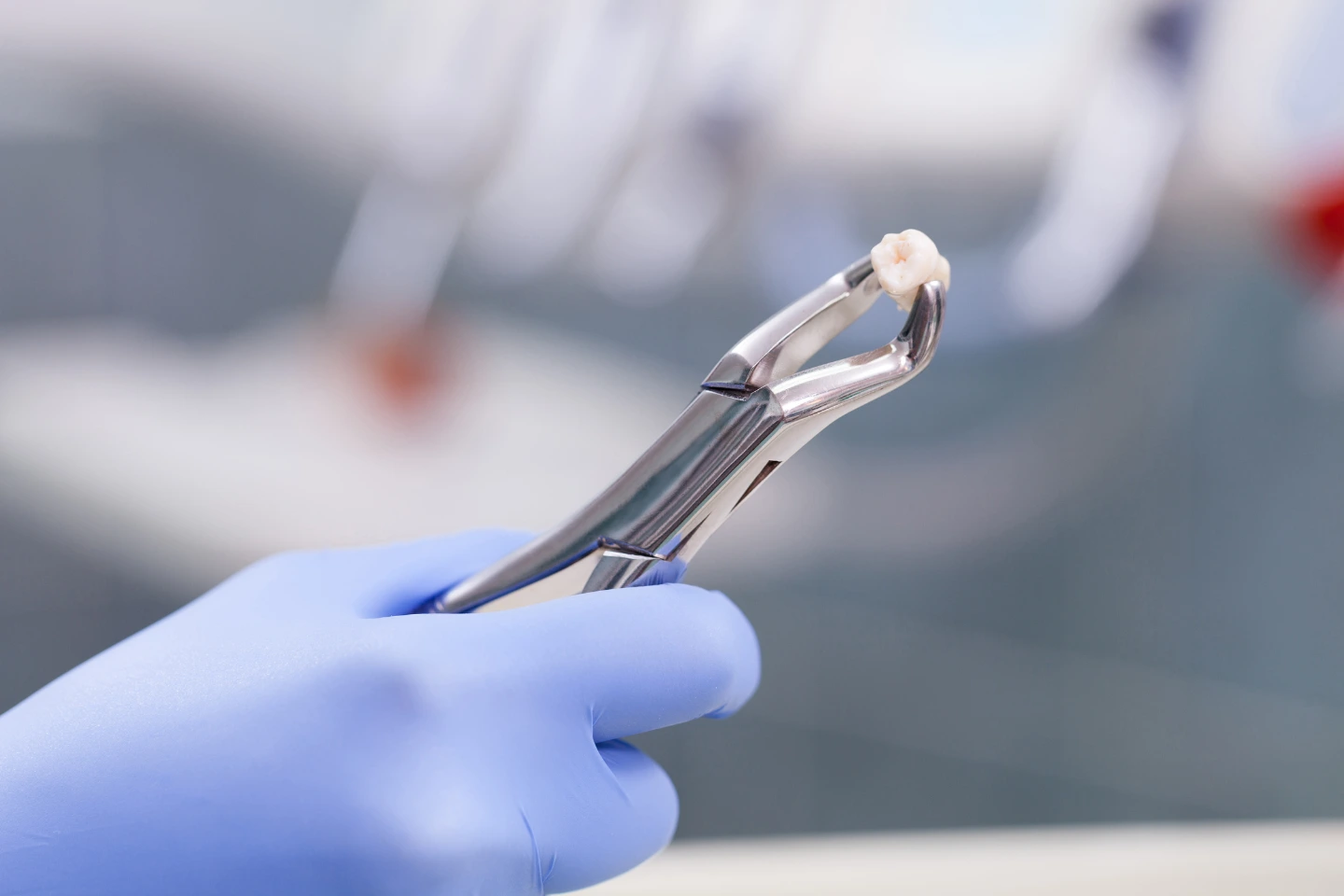
Having a tooth extracted is sometimes necessary to protect your overall oral health. A dentist may recommend tooth removal when a tooth is severely decayed, damaged beyond repair, infected, or causing problems because of overcrowding or impaction.
Although the extraction itself is performed under local anesthesia, recovery requires proper care. The first few days are especially important because your body needs time to form a blood clot and begin healing the extraction site.
Understanding the tooth extraction recovery timeline, knowing what to eat after a tooth extraction, and recognizing warning signs such as dry socket can make the healing process more manageable.
At Dental Limited, we believe patients should feel informed and prepared before and after dental procedures. Here is what you can expect during recovery and how to care for your mouth after an extraction.
What Happens After a Tooth Extraction?
During a tooth extraction, the dentist removes the affected tooth from its socket. Once the tooth is removed, a blood clot begins forming in the empty space.
This clot is essential because it protects the underlying bone and nerve endings while new tissue develops.
Over the following days and weeks, the extraction site gradually heals. The surrounding gum tissue closes, and the underlying bone begins to remodel.
The recovery process varies depending on whether you had a simple tooth extraction or a surgical extraction.
Simple Tooth Extraction
A simple extraction involves removing a visible tooth that can be accessed without making an incision in the gum tissue.
Recovery is generally straightforward, although some tenderness, swelling, and minor bleeding may occur.
Surgical Tooth Extraction
A surgical extraction may be necessary when a tooth is broken below the gumline, impacted, or difficult to access.
The dentist may need to make a small incision and remove some surrounding bone. Stitches may also be required.
Because the procedure involves more tissue manipulation, recovery may take longer.
Tooth Extraction Recovery Timeline: What to Expect
Healing does not happen overnight. However, understanding the typical stages can help you recognize what is normal.
First 24 Hours: Blood Clot Formation
The first 24 hours are particularly important for protecting the extraction site.
You may experience:
- Mild bleeding or blood-tinged saliva.
- Tenderness around the extraction area.
- Some swelling.
- Numbness as the anesthesia wears off.
- Discomfort when opening your mouth.
Your dentist may ask you to bite gently on gauze to control bleeding.
Avoid disturbing the extraction site during this period. Do not spit forcefully, rinse vigorously, smoke, or use a straw.
These activities can dislodge the blood clot and increase the risk of dry socket.
Days 2 to 3: Swelling and Discomfort
Swelling and tenderness may become more noticeable during the second or third day.
This is generally part of the body's normal inflammatory response.
To manage discomfort:
- Apply a cold compress to the outside of your cheek.
- Take prescribed or recommended pain medication as directed.
- Eat soft foods that require minimal chewing.
- Rest and avoid strenuous physical activity.
- Keep your head slightly elevated when sleeping.
If pain or swelling becomes progressively worse instead of improving, contact your dentist.
Days 4 to 7: Early Healing
During this stage, pain and swelling should generally begin to decrease.
The gum tissue starts repairing itself, and you may gradually return to a more varied diet.
Continue gentle oral hygiene and follow your dentist's instructions about rinsing with warm salt water.
Do not brush directly over the extraction site.
Weeks 2 to 3: Gum Tissue Recovery
Most uncomplicated extraction sites show substantial gum healing within two to three weeks.
You may notice that the area feels less tender, and normal eating becomes easier.
However, the underlying bone continues to heal even after the gum tissue has closed.
Weeks 4 to 8 and Beyond: Bone Healing
The socket gradually fills with new bone tissue over several weeks and months.
Complete bone remodeling can take several months, depending on the complexity of the extraction and individual healing factors.
What Is Dry Socket After Tooth Extraction?
Dry socket, medically known as alveolar osteitis, is a painful complication that can develop after a tooth extraction.
It occurs when the blood clot at the extraction site is lost, dissolves prematurely, or fails to form properly. This leaves the underlying bone and nerve endings exposed.
Dry socket is more commonly associated with lower wisdom tooth extractions, although it can occur after other extractions.
Common Symptoms of Dry Socket
Symptoms generally develop within a few days after extraction.
Watch for:
- Severe or worsening pain around the extraction site.
- Pain that spreads toward the ear, temple, or jaw.
- An empty-looking extraction socket.
- Visible bone within the socket.
- Unpleasant breath.
- An unpleasant taste in the mouth.
- Pain that does not improve with usual pain medication.
Not everyone experiences every symptom.
What Causes Dry Socket?
Several factors may increase the risk:
- Smoking or tobacco use.
- Using straws too soon after extraction.
- Forceful spitting or rinsing.
- Poor oral hygiene.
- Difficult or traumatic extractions.
- Previous history of dry socket.
- Certain hormonal factors, including estrogen exposure.
How Is Dry Socket Treated?
Dry socket requires professional dental care.
Your dentist may gently clean the socket and place a medicated dressing to protect exposed tissues and reduce pain.
Pain medication may also be recommended.
The dressing may need to be replaced during follow-up visits, depending on the severity of the condition.
Antibiotics are not routinely required for dry socket unless there is a separate bacterial infection.
What to Eat After a Tooth Extraction
Your diet plays an important role in recovery. Choose foods that are soft, nutritious, and easy to chew.
Foods to Eat After Tooth Removal
Consider including:
- Yogurt.
- Mashed potatoes.
- Scrambled eggs.
- Applesauce.
- Oatmeal that has cooled.
- Soft pasta.
- Smooth soups that are not hot.
- Mashed bananas.
- Cottage cheese.
- Smoothies consumed without a straw.
As healing progresses, you can gradually introduce more solid foods.
Foods to Avoid After Tooth Extraction
Avoid foods that can irritate the extraction site or become trapped inside the socket.
These include:
- Chips and crackers.
- Nuts and seeds.
- Popcorn.
- Hard candy.
- Chewy meat.
- Spicy foods.
- Very hot beverages.
- Sticky foods.
- Alcohol during the initial recovery period.
Avoid chewing directly over the extraction site until your dentist confirms that it is safe.
Essential Tooth Extraction Aftercare Tips
Following the right aftercare routine can reduce complications and support healing.
1. Protect the Blood Clot
Do not touch the extraction site with your fingers or tongue. Avoid using straws and forceful spitting.
2. Maintain Gentle Oral Hygiene
Brush your other teeth carefully while avoiding direct contact with the extraction site.
After the first 24 hours, your dentist may recommend gentle warm saltwater rinses.
3. Avoid Smoking
Smoking can interfere with healing and increase the risk of dry socket. Avoid smoking and vaping during recovery, ideally for as long as your dentist recommends.
4. Take Medication as Directed
Follow your dentist's instructions regarding pain medication and any prescribed medicines.
Do not exceed recommended doses.
5. Get Enough Rest
Avoid heavy exercise and strenuous activities during the first few days, particularly if you had a surgical extraction.
When Should You Contact Your Dentist?
Some discomfort is expected after tooth removal, but certain symptoms should not be ignored.
Contact your dentist if you experience:
- Pain that becomes significantly worse after a few days.
- Bleeding that does not stop with appropriate pressure.
- Increasing swelling after the initial recovery period.
- Fever or chills.
- Pus or unusual discharge.
- Persistent bad taste accompanied by pain.
- Difficulty swallowing or opening your mouth.
Severe facial swelling or difficulty breathing requires immediate emergency medical attention.
Frequently Asked Questions
Q1. How long does it take to recover from a tooth extraction?
Most people feel significantly better within three to seven days after a simple extraction. Gum healing generally takes two to three weeks, while complete bone healing takes longer.
Q2. How long does pain last after tooth removal?
Mild to moderate discomfort is common during the first few days. Pain should gradually improve. Increasing or severe pain after the initial recovery period needs dental evaluation.
Q3. What does dry socket feel like?
Dry socket typically causes intense, throbbing pain that may radiate toward the ear or jaw. It often develops two to five days after extraction and may be accompanied by an unpleasant taste or odor.
Q4. Can I brush my teeth after a tooth extraction?
Yes. You should continue brushing your teeth carefully, but avoid brushing directly over the extraction site during the initial healing period.
Q5. When can I eat normally after tooth extraction?
Many patients can gradually return to their usual diet within one to two weeks. However, this depends on the type of extraction and how quickly the area heals.
Q6. Can I drink coffee after tooth extraction?
It is best to avoid hot coffee during the first 24 hours because heat may interfere with clot stability. Once your dentist allows it, you can gradually resume drinking coffee at a comfortable temperature.
Q7. How can I prevent dry socket?
Protect the blood clot by avoiding smoking, straws, forceful rinsing, and vigorous spitting. Follow your dentist's aftercare instructions carefully.
Need Help With Your Tooth Extraction Recovery?
Recovery after a tooth extraction becomes easier when you understand what to expect and how to care for the extraction site. Following your dentist's instructions can reduce the risk of complications and support proper healing.
If you are experiencing unusual pain, swelling, or other symptoms after a tooth extraction, contact Dental Limited for guidance. Our team can evaluate your recovery and recommend appropriate care to help you heal comfortably.

© Dental Limited. All rights reserved. 2026 | Privacy Policy | Digital Marketing by Remedo