


How Often Should You Visit the Dentist? A Complete Guide to Routine Dental Checkups
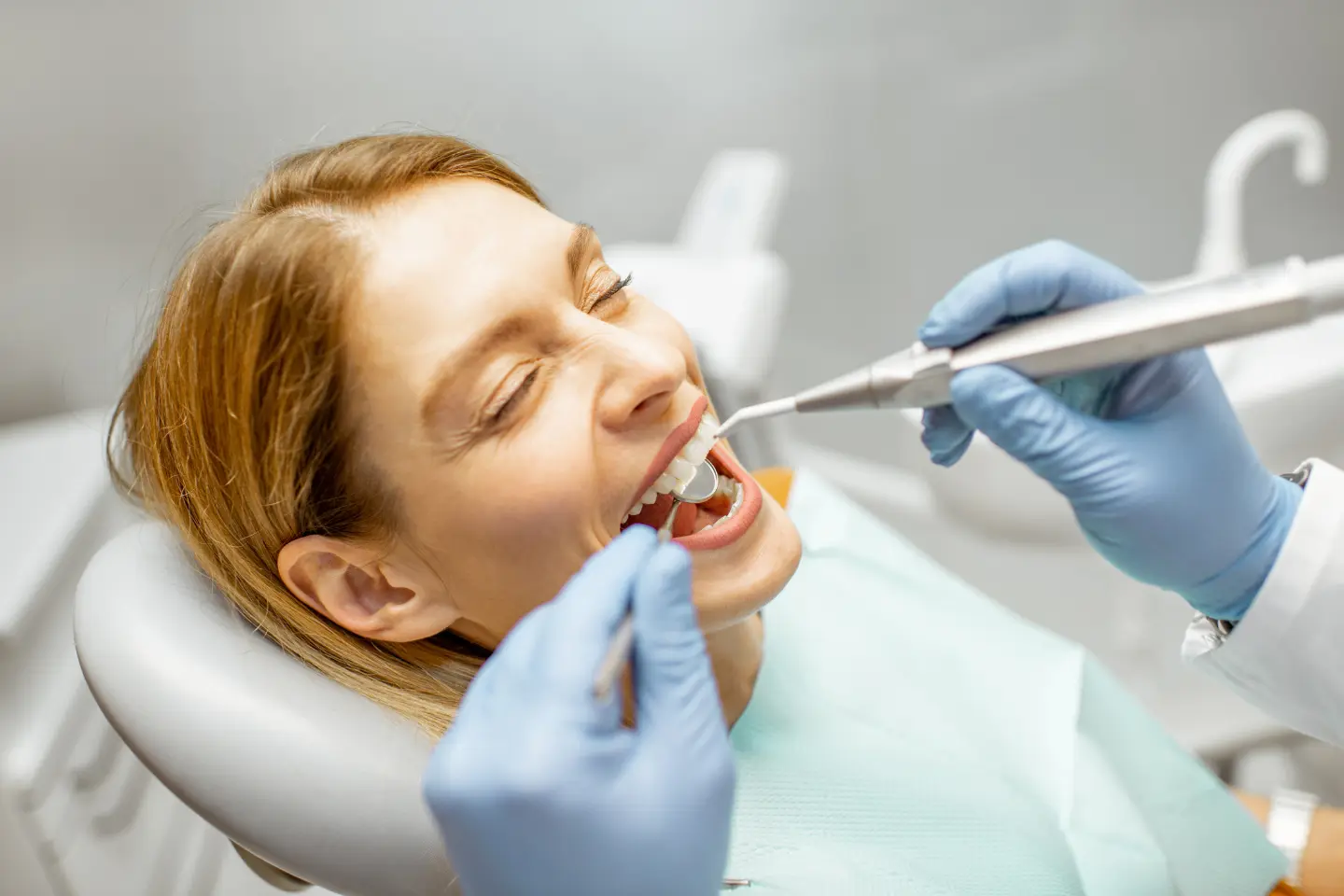
Regular dental visits are one of the simplest ways to stay ahead of oral health problems. But how often should you actually see a dentist?
You may have heard the traditional recommendation to visit the dentist every six months. While that schedule works well for many people, it is not a universal rule.
Your ideal dental checkup schedule depends on your oral health, age, risk factors, medical history, gum health, and previous dental problems.
Understanding what happens during routine dental visits can help you see why preventive care matters even when your teeth do not hurt.
Why Are Routine Dental Checkups Important?
Dental problems do not always cause noticeable symptoms in their early stages.
You may have a cavity without significant pain or early gum disease without realizing that anything is wrong.
Routine dental examinations allow your dentist to look for changes before they become larger problems.
Preventive dental care can help identify:
- Cavities
- Gum disease
- Damaged fillings
- Cracked teeth
- Worn dental restorations
- Tooth infections
- Oral health changes
- Problems with existing crowns, bridges, or implants
How Often Should Most People Visit the Dentist?
Many people benefit from a dental checkup approximately every six months.
However, some patients may need to visit more frequently.
For example, you may need additional visits if you have:
- A history of gum disease
- Frequent cavities
- Multiple dental restorations
- High risk of tooth decay
- Orthodontic treatment
- Certain medical conditions
- Poor oral hygiene
- Dry mouth
- Tobacco use
Your dentist can recommend an appointment schedule based on your individual needs.
What Happens During a Dental Checkup?
A routine visit generally involves more than simply cleaning your teeth.
Dental Examination
Your dentist examines your teeth, gums, bite, and other areas of your mouth.
They may look for cavities, cracks, gum inflammation, worn restorations, and other concerns.
Professional Cleaning
A dental hygienist may remove plaque and tartar that regular brushing cannot completely eliminate.
The cleaning may include scaling, polishing, and other preventive care.
Oral Cancer Screening
Your dental team may examine areas of the mouth, throat, neck, and surrounding tissues for unusual changes.
If something appears concerning, your dentist may recommend additional evaluation.
Dental X-Rays
X-rays are not necessarily required at every visit.
Your dentist will determine when imaging is appropriate based on your age, symptoms, dental history, and risk factors.
X-rays can help identify problems that are not visible during a routine examination.
What If My Teeth Feel Fine?
You may wonder why you need dental appointments when nothing hurts.
Unfortunately, the absence of pain does not necessarily mean your mouth is completely healthy.
Cavities can develop quietly. Gum disease may progress without severe discomfort. Cracks can also exist before they become painful.
Preventive appointments can help identify these problems earlier.
What Happens If You Skip Dental Visits?
Missing an occasional appointment does not automatically mean you will develop a serious problem.
However, consistently avoiding dental care can allow small issues to progress.
For example, a small cavity may eventually require a larger restoration. Early gum inflammation can progress to more advanced periodontal disease.
Regular visits are intended to reduce the chance of these problems going unnoticed.
Do Children Need Regular Dental Checkups?
Yes.
Children benefit from regular dental care because their mouths are changing rapidly.
Routine visits allow dental professionals to monitor:
- Tooth development
- Oral hygiene
- Bite development
- Cavities
- Gum health
- Habits that may affect oral development
Children can also become familiar with the dental environment, which can make future appointments more comfortable.
How Often Should You Get Your Teeth Cleaned?
There is no single cleaning schedule for everyone.
Many healthy adults receive professional cleanings every six months.
Patients with periodontal disease may need more frequent periodontal maintenance.
Your dental hygienist and dentist can recommend the appropriate interval based on your gum health and risk factors.
Can You Go to the Dentist Too Often?
Routine preventive dental appointments are generally scheduled based on clinical need.
If you have a higher risk of cavities or gum disease, more frequent visits may be recommended.
Your dentist can explain why a particular schedule is appropriate rather than simply following a fixed calendar.
When Should You See a Dentist Between Routine Visits?
You should not wait for your next scheduled appointment if you develop symptoms.
Contact your dental office if you experience:
- Tooth pain
- Swelling
- Bleeding gums
- Persistent sensitivity
- A chipped or cracked tooth
- A loose filling or crown
- A dental abscess
- Persistent bad breath
- A change in your bite
Some dental problems need prompt treatment.
What Can You Do Between Dental Visits?
Preventive care does not stop when you leave the dental office.
At home:
Brush Twice a Day
Use fluoride toothpaste and a soft-bristled toothbrush.
Clean Between Your Teeth
Floss or use another interdental cleaning method every day.
Limit Frequent Sugary Snacks
Frequent exposure to sugar can increase the risk of tooth decay.
Drink Water
Water can help rinse the mouth and is generally a better everyday beverage choice than sugary drinks.
Do Not Use Your Teeth as Tools
Avoid opening packages or bottles with your teeth.
Protect Your Teeth
If you participate in contact sports, use an appropriately fitted mouthguard.
Does Insurance Cover Routine Dental Checkups?
Coverage depends on your individual dental insurance plan.
Many dental insurance plans provide some level of coverage for preventive services, but details vary.
Before an appointment, check your plan or contact your dental insurance provider if you have questions about your benefits.
What If I Have Dental Anxiety?
Dental anxiety is common, and you should feel comfortable discussing it with your dental team.
Let the office know if you are nervous before your appointment.
Your dental team can explain what to expect and discuss ways to make the experience more manageable.
Make Preventive Dental Care Part of Your Routine
Regular dental checkups are about more than treating problems after they appear. They are an opportunity to monitor your oral health, catch concerns early, and maintain your smile over time.
Dental Limited can help you determine how often you should receive dental examinations and cleanings based on your individual needs.
Contact Dental Limited to schedule your next dental checkup and stay proactive about your oral health.
FAQ
Q1: Is visiting the dentist every six months necessary?
A: Many people benefit from dental visits every six months, but the ideal schedule varies. Patients with gum disease, frequent cavities, or other risk factors may need more frequent appointments.
Q2: What happens if I have not been to the dentist in years?
A: Your dentist will evaluate your teeth, gums, and overall oral health and determine whether you need cleaning, X-rays, restorative treatment, or other care.
Q3: Do I need a dental cleaning every six months?
A: Many people do, but cleaning frequency depends on your oral health. Patients with periodontal disease may require more frequent cleanings.
Q4: Can I skip the dentist if I brush and floss every day?
A: Daily brushing and interdental cleaning are essential, but they cannot completely replace professional examinations and cleanings. Some dental problems can develop without noticeable symptoms.
Q5: How often should children see a dentist?
A: Children should have regular dental visits based on their individual needs and development. Their dentist can recommend an appropriate schedule.
Q6: Should I see a dentist if my tooth does not hurt?
A: Yes. Routine visits help identify problems that may not cause pain in their early stages, including cavities and gum disease.
Q7: What are signs that I need to see a dentist sooner?
A: Tooth pain, swelling, persistent sensitivity, bleeding gums, a loose restoration, a chipped or cracked tooth, or other sudden changes should be evaluated rather than waiting for your next routine visit.

© Dental Limited. All rights reserved. 2026 | Privacy Policy | Digital Marketing by Remedo