


Dental Implants: What to Expect Before, During & After the Procedure
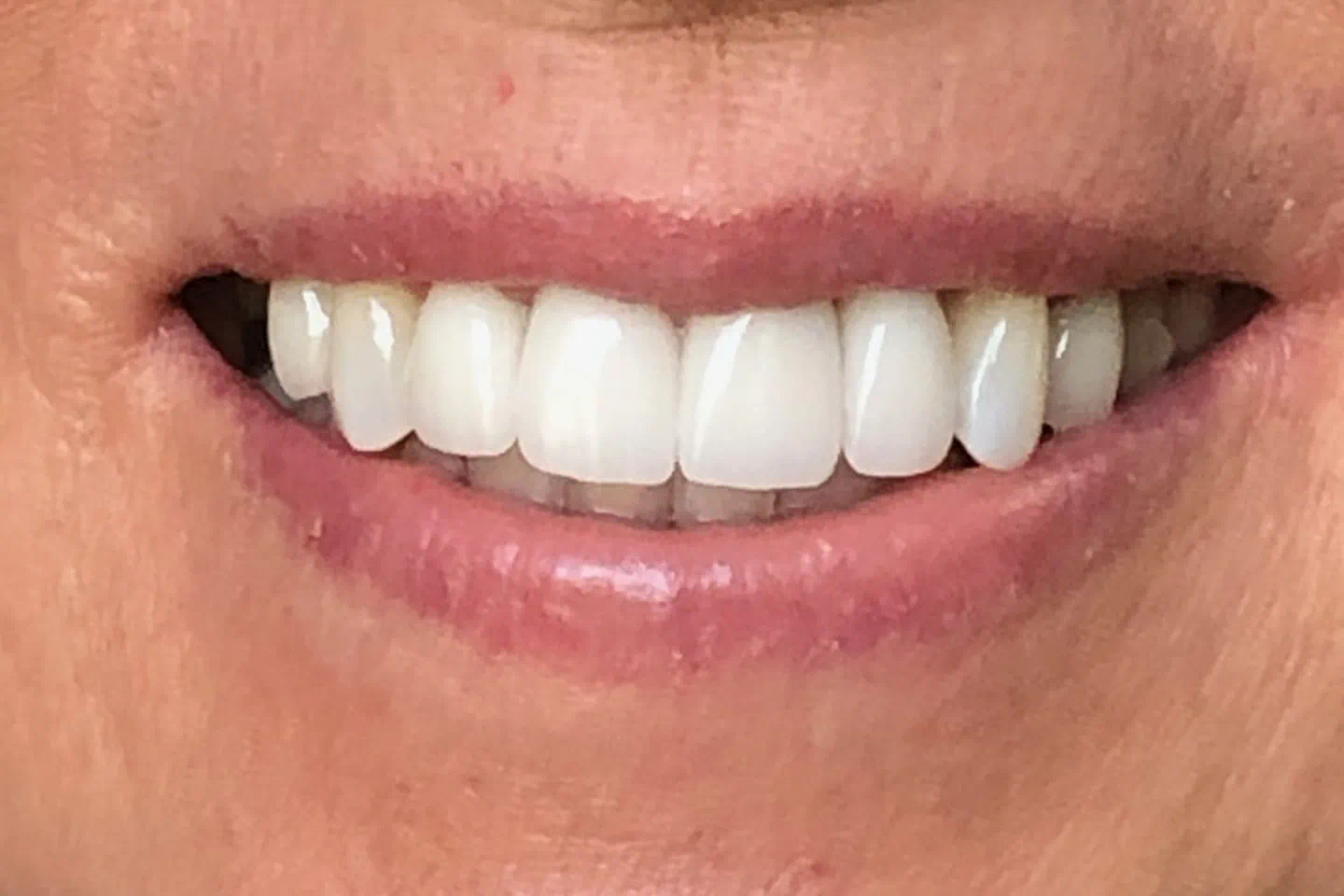
Losing a tooth can affect more than the appearance of your smile. It can make chewing more difficult and, over time, may contribute to changes in the surrounding teeth and jawbone.
Dental implants are one option for replacing missing teeth. Unlike a traditional removable denture, an implant is designed to replace the root portion of a missing tooth and support a dental restoration.
If you are considering dental implants, knowing what happens before, during, and after the procedure can make the process feel much more manageable.
What Is a Dental Implant?
A dental implant is a small post that is placed into the jawbone to replace the root of a missing tooth.
Once the implant integrates with the surrounding bone, it can support a restoration such as a dental crown.
A complete implant restoration generally includes three components:
- The implant
- The abutment
- The dental crown
Depending on your situation, these components may be placed at different stages.
Who May Be a Candidate for Dental Implants?
Dental implants may be an option for people who have lost one or more teeth and have adequate bone and healthy oral tissues.
Your dentist will evaluate factors such as:
- Overall oral health
- Gum health
- Jawbone volume
- Existing dental conditions
- Smoking or tobacco use
- Medical history
- Bite and chewing forces
Bone loss does not automatically rule out implants. In some cases, additional procedures may be considered before implant placement.
What Happens Before Dental Implant Surgery?
Comprehensive Dental Examination
The process begins with an evaluation.
Your dentist will examine your teeth and gums and discuss your dental history and treatment goals.
Dental Imaging
Imaging helps your dental team understand the anatomy of your jaw and determine where an implant may be positioned.
Depending on your case, your dentist may use dental X-rays or three-dimensional imaging.
Treatment Planning
Your dentist will create a treatment plan based on the number of missing teeth, available bone, gum health, and the type of restoration you need.
If you need treatment for gum disease, decay, or other oral health issues, these concerns may need to be addressed first.
What Happens During Implant Placement?
The implant placement procedure is performed using local anesthesia and other comfort measures as appropriate.
Your dental professional creates access to the jawbone and places the implant into the planned position.
After placement, the gum tissue is managed according to the treatment plan.
The implant then needs time to integrate with the jawbone.
This process is called osseointegration.
Does Dental Implant Placement Hurt?
Many patients are concerned about discomfort.
During the procedure, local anesthesia is used to numb the treatment area. You should not feel sharp pain during the procedure.
Afterward, it is normal to experience some soreness, swelling, or tenderness.
Your dental team will provide instructions for managing discomfort and caring for the surgical area.
What Happens After Implant Placement?
The healing phase is an important part of implant treatment.
Your jawbone needs time to integrate with the implant before the final restoration is attached.
During this period, follow your dentist's instructions carefully.
You may be advised to:
- Eat softer foods temporarily
- Keep the area clean as instructed
- Avoid smoking
- Avoid disturbing the surgical site
- Take prescribed or recommended medications as directed
- Attend follow-up appointments
What Is Osseointegration?
Osseointegration is the process through which the jawbone bonds with the implant surface.
This provides a stable foundation for the restoration.
The length of the healing period varies from patient to patient. Your dentist will monitor the implant and determine when it is ready for the next stage.
When Is the Dental Crown Placed?
Once the implant has healed adequately, the next stage is attaching the abutment and dental crown, depending on the treatment plan.
The crown is designed to resemble a natural tooth and restore the visible portion of the missing tooth.
Your dentist will consider the color, shape, size, and position of the restoration.
What Should You Expect After the Final Restoration?
Once the implant crown is completed, it should allow you to return to normal chewing and speaking.
It may take some time to become accustomed to the new tooth.
Continue brushing and cleaning around the implant as recommended.
Implants do not develop cavities like natural teeth, but the surrounding gums and bone still need care.
How Do You Care for Dental Implants?
Good oral hygiene is essential.
Brush Regularly
Brush twice daily with fluoride toothpaste unless your dentist recommends otherwise.
Clean Around the Implant
Your dental team may recommend floss, interdental brushes, water flossers, or other tools depending on your implant.
Attend Regular Dental Visits
Routine examinations allow your dentist to monitor the implant, restoration, gums, and surrounding teeth.
Avoid Smoking
Smoking can negatively affect gum health and healing and may increase the risk of implant complications.
How Long Do Dental Implants Last?
Dental implants are designed as a long-term tooth replacement option.
However, their longevity depends on several factors, including oral hygiene, gum health, bite forces, lifestyle factors, and regular dental care.
The implant itself and the crown are different components and may have different maintenance or replacement needs over time.
Are Dental Implants Worth Considering?
For many patients, implants can provide a stable and natural-looking way to replace missing teeth.
They can help restore chewing function and may help preserve jawbone in the area of tooth loss.
However, implants are not automatically the best solution for every patient.
A consultation is the best way to understand your options.
Alternatives may include bridges or removable dentures depending on your oral health, preferences, and treatment goals.
Explore Your Tooth Replacement Options With Dental Limited
If you are missing one or more teeth, you do not have to navigate your replacement options alone.
Dental Limited can evaluate your oral health, discuss dental implants and other tooth replacement options, and help you understand what the treatment process may involve.
Contact Dental Limited to schedule a consultation and learn more about dental implants.
FAQ
Q1: How long does a dental implant procedure take?
A: The overall implant process can take several months because the implant needs time to integrate with the jawbone before the final restoration is placed. The exact timeline varies by patient.
Q2: Is dental implant surgery painful?
A: Local anesthesia is used during implant placement to keep the area numb. Some soreness and swelling can occur afterward, but your dental team will provide instructions for managing discomfort.
Q3: How long does it take for a dental implant to heal?
A: Healing time varies depending on the patient, implant location, bone quality, and whether additional procedures are required. Your dentist will monitor healing before proceeding with the final restoration.
Q4: Can anyone get dental implants?
A: Not everyone is an immediate candidate. Healthy gums, sufficient bone, and good overall oral health are important considerations. Additional treatment may make implants possible for some patients who initially have insufficient bone or gum health.
Q5: How do I care for dental implants?
A: Brush twice daily, clean around the implant as instructed, avoid tobacco, and attend regular dental appointments. Your dentist may recommend specific cleaning tools.
Q6: Do dental implants look like natural teeth?
A: Implant-supported crowns are designed to resemble natural teeth. The final appearance depends on factors such as the restoration's shape, color, position, and surrounding gum tissue.

© Dental Limited. All rights reserved. 2026 | Privacy Policy | Digital Marketing by Remedo