


Dental Implants vs Dentures vs Bridges: Cost, Durability & Which Is Best for You
Losing a tooth is more than just a cosmetic inconvenience. It changes the way you speak, the way you enjoy your favorite foods, and how you feel when you look in the mirror. If you are struggling with missing teeth, you have likely realized that the "do nothing" approach is not an option. Gaps in your smile lead to bone loss, shifting teeth, and a decline in facial structure.
At Dental Limited, we believe that every patient deserves a functional, beautiful smile. But with so many options available, how do you choose? Today, we are breaking down the three heavy hitters of restorative dentistry: dental implants, dentures, and dental bridges. We will look at the cost, durability, and lifestyle impact of each to help you decide which path is right for your unique needs.
Understanding Your Options: The Basics of Restorative Dentistry
Before we dive into the comparison, let's define what these treatments actually are. Each one serves the same goal, which is to replace missing teeth, but they achieve that goal in very different ways.
What are Dental Implants?
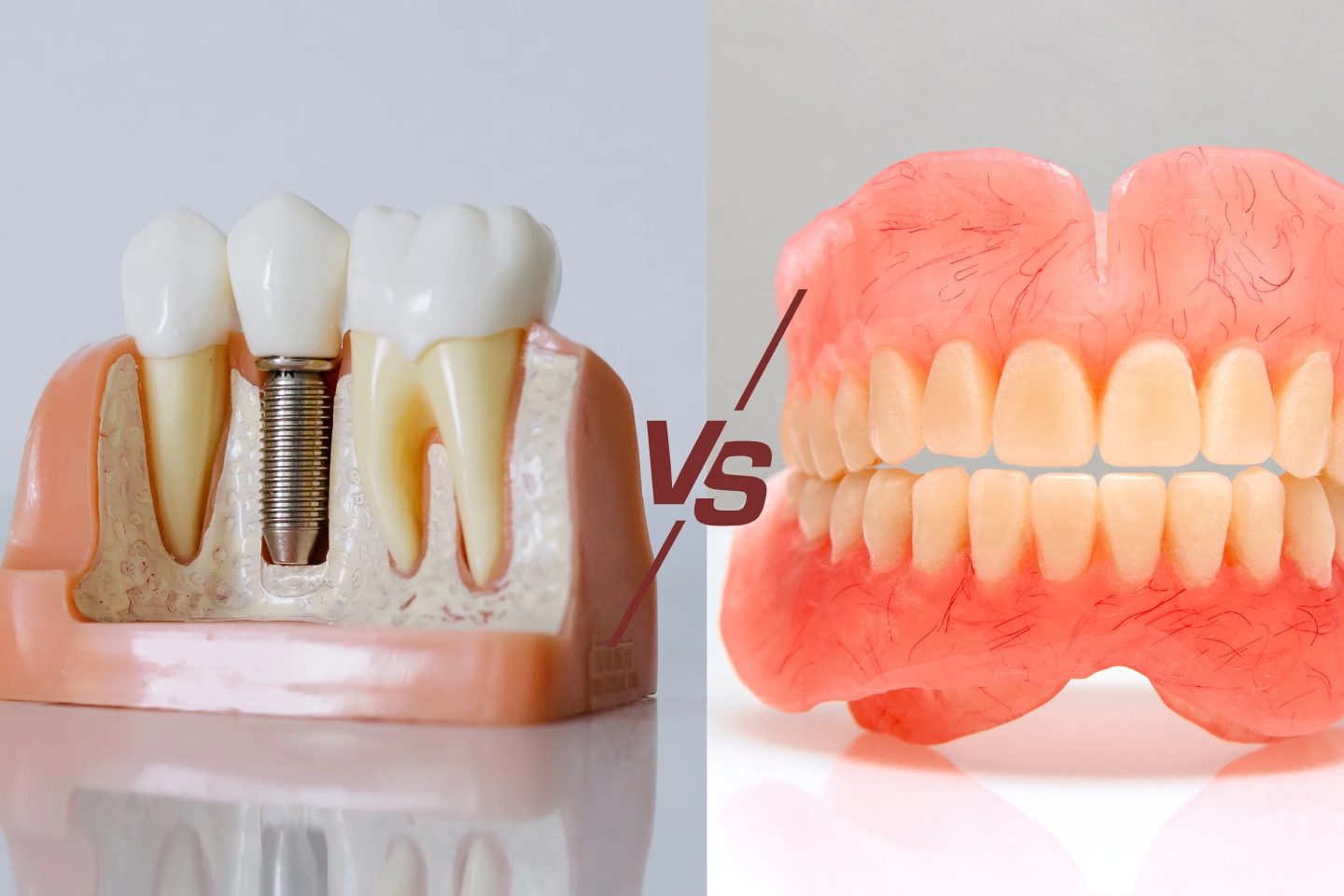
A dental implant is a titanium post that acts as a prosthetic tooth root. It is surgically inserted into the jawbone, where it fuses with the bone over several months. Once stable, a crown is attached to the top. Because they mimic the natural structure of a tooth, many patients consider them the gold standard. When considering the dental implants lifespan, they are often viewed as a "one and done" solution.
What are Dental Bridges?
A bridge "bridges" the gap created by one or more missing teeth. It consists of two or more crowns for the teeth on either side of the gap, with a false tooth or teeth in between. These anchoring teeth, called abutment teeth, must be shaved down to support the bridge.
What are Dentures?
Dentures are removable appliances that can replace all teeth (complete dentures) or just a few (partial dentures). While modern technology has made them more comfortable than the "false teeth" your grandparents might have worn, they still sit on top of the gums rather than being anchored into the bone.
Comparing the Cost: Short-Term vs. Long-Term Investment
When patients visit Dental Limited, cost is usually the first topic on the table. It is important to distinguish between the "sticker price" and the long-term value.
The Initial Price Tag
There is no denying that dental implants have the highest upfront cost. You are paying for a surgical procedure, high-grade biocompatible materials, and a custom crown. Bridges are more moderate in price, while dentures are typically the most affordable option initially.
Hidden Costs and Replacements
This is where the math starts to change. While dentures are cheaper today, they often require relines, repairs, and replacement every five to seven years as your jawbone changes shape. Bridges also have a limited life, usually needing replacement every ten years. When you calculate the dental implants lifespan, you realize that an implant may actually be the most cost-effective choice over thirty years because it rarely needs to be replaced.
Durability and Longevity: How Long Will Your Smile Last?
If you are going to invest time and money into your oral health, you want results that last. The dental implants' lifespan is a major selling point for this technology.
The Lifetime Solution
Because dental implants fuse with your bone, they become a permanent part of your anatomy. If you commit to a solid dental implant maintenance routine, the titanium post can last the rest of your life. The crown on top might need replacement after fifteen years due to normal wear, but the foundation remains solid.
The Temporary Nature of Bridges and Dentures
Bridges rely on the health of the surrounding teeth. If those anchoring teeth develop decay or gum disease, the entire bridge fails. Dentures, being removable, are prone to breaking if dropped and naturally wear down over time. In terms of the dental implants success rate, implants far outperform the other two options in long-term stability.
Impact on Jawbone Health and Facial Structure
One of the most overlooked aspects of tooth loss is what happens beneath the surface. Your jawbone needs the stimulation of a tooth root to stay healthy and dense.
Preventing Bone Loss
This is the area where dental implants truly shine. They are the only tooth replacement option that stimulates the bone. This prevents the "sunken" look that often accompanies long-term tooth loss. By maintaining bone density, you also protect the dental implants' success rate by ensuring a sturdy foundation.
The Limitations of Bridges and Dentures
Bridges and dentures do nothing to stop bone loss. In fact, dentures can sometimes accelerate bone resorption because of the pressure they put on the gum ridges. Over time, this change in bone structure is what causes dentures to become loose and uncomfortable, necessitating a new pair.
Lifestyle and Comfort: Which Feels Most Like Natural Teeth?
At the end of the day, you want to be able to bite into an apple and laugh without worrying about your teeth slipping.
Seamless Function with Implants
With implants, you have nearly 100 percent of your natural biting force. You clean them exactly like natural teeth, through brushing and flossing. There are no dietary restrictions and no special adhesives. Because the dental implant maintenance is so similar to natural oral care, most patients forget they even have an implant.
The Learning Curve of Dentures
Dentures require a significant adjustment period. You have to relearn how to speak clearly and how to chew effectively. There is always a risk of the appliance slipping during a conversation, which can be embarrassing. Bridges feel more natural than dentures, but they can be difficult to clean, as you have to thread floss underneath the artificial tooth.
Success Rates and Predictability
Success in dentistry is measured by how well a restoration holds up over time without complications.
The High Success Rate of Implants
The dental implants success rate is remarkably high, hovering around 95 to 98 percent for healthy patients. At Dental Limited, we use advanced 3D imaging to ensure the placement is perfect, which further minimizes the risk of failure.
Reliability of Bridges
Bridges are very reliable in the short term, but their success is tethered to the teeth next to them. If those teeth are already compromised, the bridge may not be a long-term solution.
Ready to Restore Your Smile? Visit Dental Limited Today
Choosing between dental implants, dentures, and bridges is a big decision, but you don't have to make it alone. While the dental implants lifespan and high dental implants success rate make them a favorite for many, we understand that every budget and health situation is different. Our goal is to provide you with the information and care you need to make the best choice for your future.
Whether you need a single tooth replacement or a full mouth restoration, we are here to help. Contact Dental Limited today to schedule your consultation. Let's work together to bring back your smile and your confidence with a treatment plan that fits your life. Proper dental implant maintenance and professional care can ensure your new smile lasts for many years to come.

© Dental Limited. All rights reserved. 2026 | Privacy Policy | Digital Marketing by Remedo