


Dental Crowns Near Lincolnshire, IL
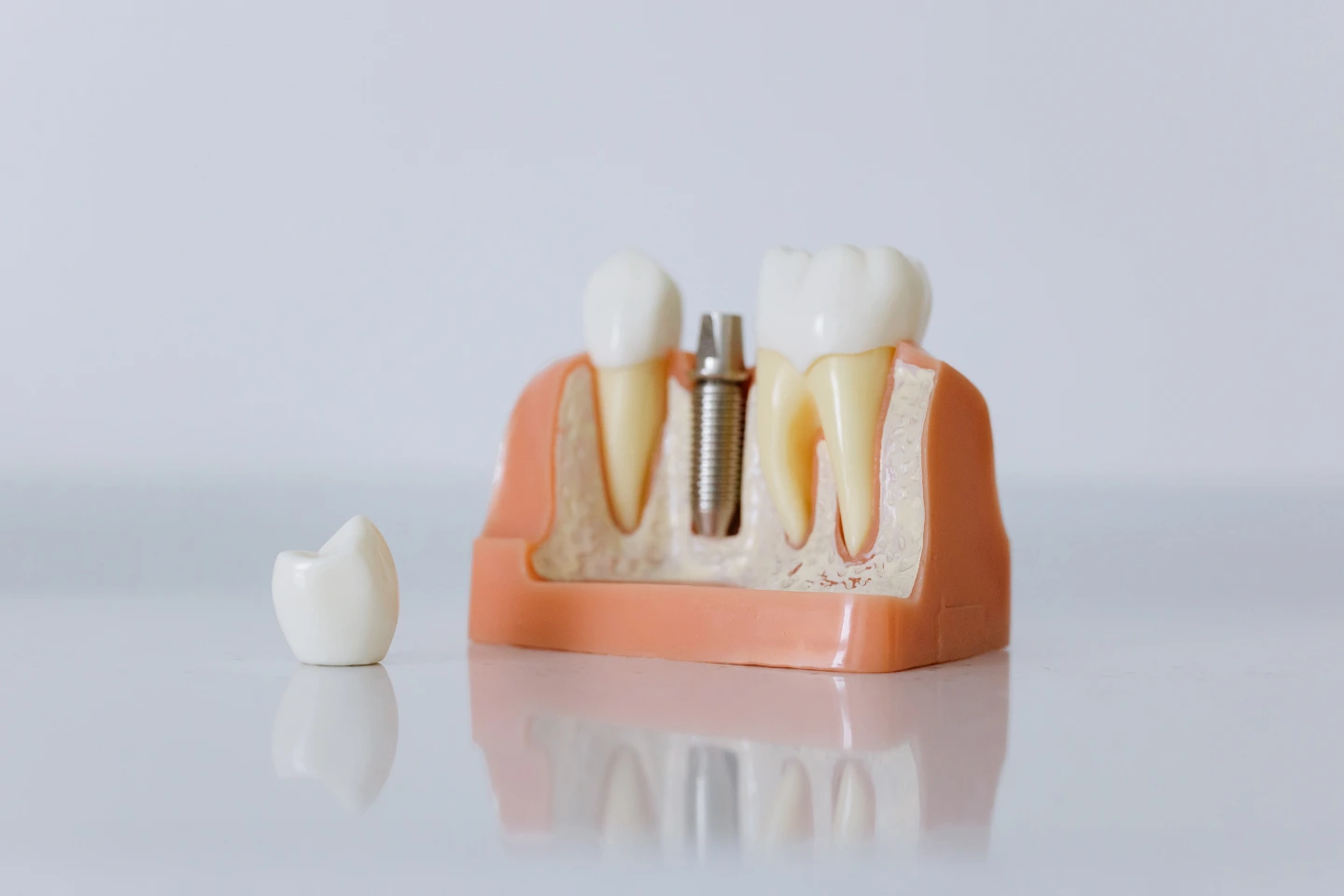
A damaged, weakened, or heavily restored tooth may need additional support to remain functional. Dental crowns are custom restorations that cover the visible portion of a tooth, helping restore its shape, strength, and appearance. If you are looking for dental crowns in Lincolnshire, IL, Dental Limited offers restorative dental care from its office in nearby Buffalo Grove.
The practice is located at 135 N. Arlington Heights Road, Suite 150, Buffalo Grove, IL 60089. Its location in the northwest suburbs makes it an option for Lincolnshire residents who are willing to travel to a neighbouring community for dental treatment. Patients can plan their journey using the practice address and check current traffic conditions before their appointment.
Whether you have a cracked tooth, extensive decay, or a tooth that has undergone root canal treatment, a dental evaluation can help determine whether a crown is appropriate for your needs.
What Is a Dental Crown?
A dental crown is a custom-made cap that fits over a tooth to restore its shape, size, strength, and appearance. It covers the visible part of the tooth above the gumline and is designed to function with the surrounding teeth.
Crowns may be recommended when a tooth has lost significant structure and a filling alone may not provide enough support. They can also be used to restore teeth after certain procedures or to complete some dental implant treatments.
At Dental Limited, restorative treatment is planned according to the condition of the tooth, the patient's bite, and overall oral health. The practice lists crowns among its services and uses digital impressions and intraoral scanning as part of its restorative dentistry approach.
When Might You Need a Dental Crown?
A crown may be recommended for several reasons. The decision depends on how much natural tooth structure remains and whether the tooth can withstand normal biting forces.
Common reasons for considering a dental crown include:
- A tooth weakened by extensive decay.
- A cracked or fractured tooth that needs additional protection.
- A tooth with a large filling and limited remaining structure.
- A tooth that has undergone root canal treatment and requires additional support.
- A worn or damaged tooth that needs restoration.
- A dental implant that requires a crown as its final restoration.
Not every damaged tooth needs a crown. Smaller areas of decay or damage may be managed with a filling or another conservative restoration. Your dentist will examine the tooth and discuss the most appropriate option.
Benefits of Dental Crowns
Dental crowns can help restore the structure and function of teeth affected by significant damage.
Restoring Tooth Strength
When a tooth has lost a considerable amount of its natural structure, it may become more vulnerable to further damage. A properly designed crown covers the tooth and helps distribute biting forces across the restoration.
Supporting Everyday Chewing
A damaged tooth may make it uncomfortable to bite or chew certain foods. A crown can restore the tooth's shape and contact with neighbouring teeth, helping improve its ability to function.
Improving Tooth Appearance
Crowns can be made from materials selected to complement the appearance of natural teeth. Their shape and shade can be planned to fit the surrounding smile, particularly when restoring visible teeth.
Protecting a Root Canal-Treated Tooth
Root canal treatment removes infected or inflamed tissue from inside a tooth. Depending on the amount of remaining tooth structure and the tooth's location, a crown may be recommended afterward to help protect it from fracture.
Completing Dental Implant Treatment
When a dental implant is used to replace a missing tooth, a custom crown may be attached to the implant after the appropriate healing and planning stages. This provides the visible replacement tooth.
Types of Dental Crowns
The most appropriate crown material depends on the tooth's position, the forces it experiences, appearance preferences, and clinical requirements.
All-Ceramic or Porcelain Crowns
Ceramic crowns can be selected for their tooth-like appearance. They may be suitable for visible areas where matching the surrounding teeth is an important consideration.
Zirconia Crowns
Zirconia is a strong ceramic material used in restorative dentistry. It may be considered for teeth that experience greater biting forces, depending on the clinical situation and restoration design.
Porcelain-Fused-to-Metal Crowns
These crowns combine a metal base with an outer porcelain layer. They offer a combination of structural support and a tooth-coloured appearance, although the metal may affect the appearance near the gumline in some cases.
Metal Crowns
Certain metal alloys may be considered for specific teeth, particularly where strength and durability are important and appearance is less of a concern.
Your dentist can explain the advantages and limitations of each material and recommend an option based on your tooth and bite.
What to Expect During Dental Crown Treatment
Getting a dental crown generally involves an assessment, preparation of the tooth, and placement of the custom restoration.
1. Examination and Diagnosis
The first step is an examination to determine why the tooth needs treatment. Your dentist will assess the extent of damage, check the surrounding gums, and evaluate how the tooth fits into your bite. X-rays may be recommended when necessary.
2. Tooth Preparation
If a crown is suitable, the tooth is prepared to create enough space for the restoration. The amount of preparation depends on the tooth's condition and the selected crown material.
3. Digital Impressions
Dental Limited lists intraoral scanning and digital impressions among its restorative dentistry technology. Digital scans can capture the shape of the prepared tooth and surrounding structures to support the design of a custom crown.
4. Temporary Crown
A temporary crown may be placed while the permanent restoration is being made. It helps protect the prepared tooth and maintain function during this period.
5. Final Crown Placement
When the custom crown is ready, the dentist checks its fit, bite, and appearance. Adjustments may be made before the crown is secured. Follow-up care may be recommended to ensure that the restoration remains comfortable.
The number of appointments and treatment timeline depend on the tooth, the type of crown, and the laboratory or fabrication process.
Are Dental Crowns Suitable for Everyone?
Crowns can restore many damaged teeth, but they are not appropriate in every situation. The tooth must have enough healthy structure or suitable support to retain the restoration.
Your dentist may consider:
- How much natural tooth structure remains.
- Whether decay or infection is present.
- The health of the tooth's root.
- The condition of the surrounding gums.
- The pressure placed on the tooth during chewing.
- Whether another restoration may be more suitable.
If a tooth is too damaged to restore predictably, extraction and replacement options may need to be discussed. The dentist can explain the alternatives based on the clinical examination.
Caring for Your Dental Crown
A dental crown does not eliminate the need for regular oral hygiene. The natural tooth and gum tissue around the restoration still require daily care.
To help maintain your crown:
- Brush twice daily using fluoride toothpaste.
- Clean between your teeth every day.
- Pay attention to the gumline around the crown.
- Avoid chewing ice or using your teeth to open hard packaging.
- Attend regular dental examinations and professional cleanings.
- Contact your dentist if the crown feels loose, becomes damaged, or causes discomfort.
A crown can remain functional for many years, but its lifespan varies according to the material, fit, oral hygiene, bite forces, and other individual factors.
Visiting Dental Limited From Lincolnshire, IL
Dental Limited's current office is located at 135 N. Arlington Heights Road, Suite 150, Buffalo Grove, IL 60089. For people living in Lincolnshire, the neighbouring Buffalo Grove location provides an option for accessing restorative dental services without travelling into central Chicago.
Arlington Heights Road can be used when planning a drive from Lincolnshire. Your exact route and journey time will depend on your starting location, traffic, and time of day. Check a navigation app before leaving to plan your visit.
If your treatment requires multiple appointments, ask the team about scheduling and the expected stages of crown treatment. Planning ahead can help you coordinate visits around work, family responsibilities, and other commitments.
Dental Crown Consultations at Dental Limited
Dental Limited provides restorative dental services, including custom dental crowns, at its Buffalo Grove office. Its approach includes digital impressions, intraoral scanning, and treatment planning based on individual dental needs.
If you live in Lincolnshire and have a damaged or weakened tooth, a consultation can help establish whether a crown is appropriate. The dentist can assess the tooth, explain available materials, and discuss what the treatment process may involve.

© Dental Limited. All rights reserved. 2026 | Privacy Policy | Digital Marketing by Remedo