


Dental Bridges Near Lincolnshire, IL
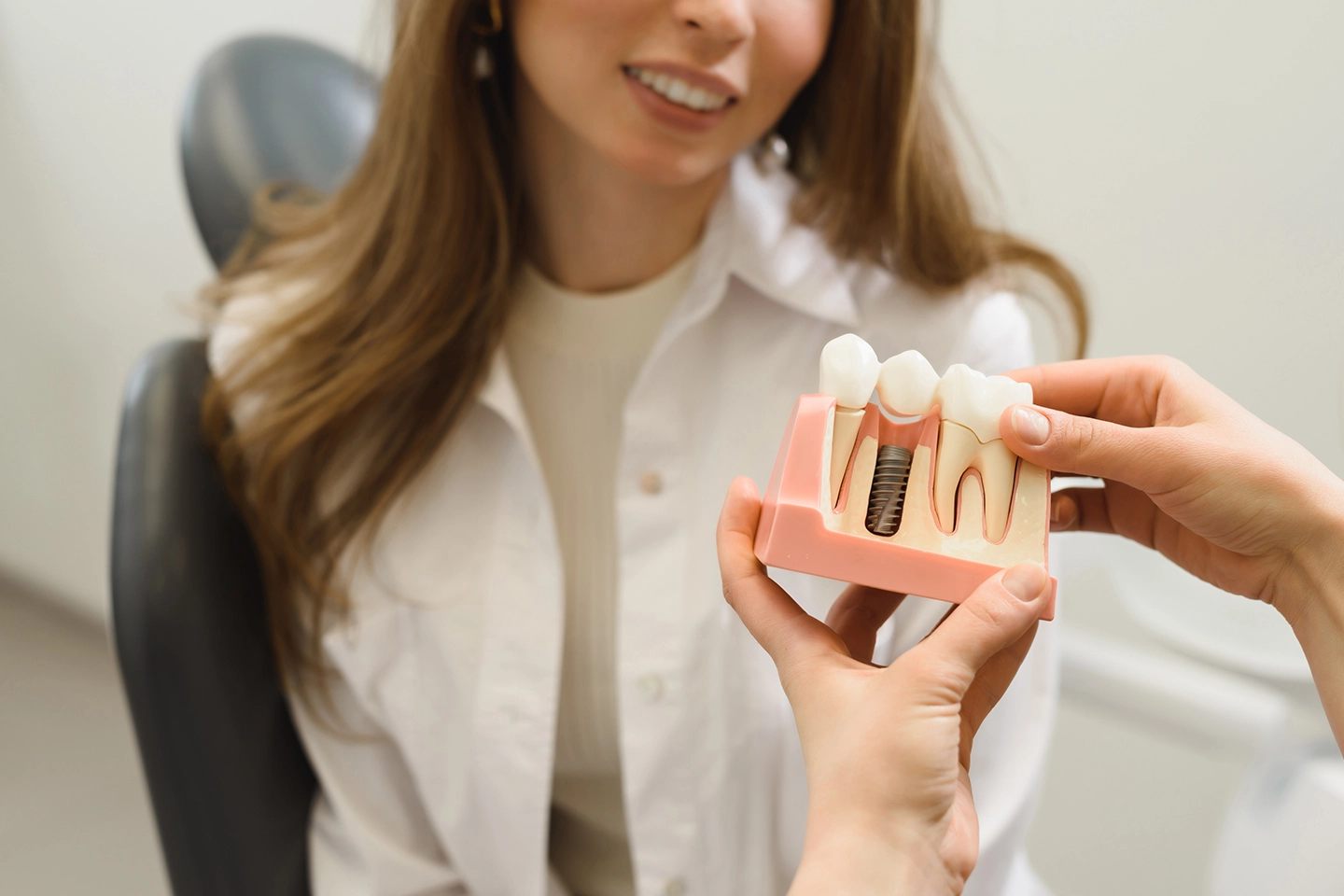
Missing one or more teeth can affect everyday activities such as eating, speaking, and smiling. It can also change how the remaining teeth fit together. If you are exploring dental bridges in Lincolnshire, IL, Dental Limited offers restorative dental care from its nearby office in Buffalo Grove. The practice provides custom dental bridges designed to replace missing teeth and help restore chewing function, spacing, and the appearance of your smile.
Dental Limited is located at 135 N. Arlington Heights Road, Suite 150, Buffalo Grove, IL 60089. For residents of Lincolnshire and nearby communities, the office is a nearby option for discussing tooth replacement without having to travel into downtown Chicago. Patients can plan their journey using the clinic's Buffalo Grove address and check current traffic conditions before leaving.
Replacing Missing Teeth With a Dental Bridge
A dental bridge is a fixed restoration used to replace one or more missing teeth. It typically consists of one or more artificial teeth, known as pontics, supported by crowns or other attachments connected to neighbouring teeth or restorations.
The purpose of a bridge is to fill the space left by missing teeth and help restore parts of normal dental function. Depending on the design and the patient's oral health, a bridge may help improve chewing, support clearer speech, and maintain the spacing between remaining teeth.
At Dental Limited, bridge treatment is planned around the condition of the surrounding teeth, gums, and bite. The practice lists restorative dentistry, digital impressions, and intraoral scanning among its services and technology.
How Missing Teeth Can Affect Your Oral Health
A missing tooth is not only a cosmetic concern. The gap can influence how the surrounding teeth function and how pressure is distributed when you bite.
Depending on the location of the missing tooth, you may experience:
- Difficulty chewing certain foods.
- Changes in speech or pronunciation.
- Nearby teeth gradually moving toward the open space.
- Changes in the way your upper and lower teeth meet.
- Food collecting around the gap.
- Reduced confidence when smiling.
Not every missing tooth causes the same problems. The impact depends on the number of teeth missing, their position, the condition of the remaining teeth, and your overall oral health. A dental examination can help determine whether a bridge or another tooth replacement option is suitable.
Types of Dental Bridges
There are several types of dental bridges. Your dentist will consider the location of the gap, the health of the supporting teeth, and the amount of tooth structure available before recommending a design.
Traditional Dental Bridges
A traditional bridge generally uses crowns placed over the teeth on either side of the gap. These supporting teeth hold the replacement tooth in position. This option may be considered when the neighbouring teeth are strong enough to support the restoration.
Cantilever Dental Bridges
A cantilever bridge is supported by an adjacent tooth or teeth on one side of the gap rather than both sides. It may be considered in selected situations, depending on the location of the missing tooth and the forces placed on the restoration.
Maryland Bonded Bridges
A Maryland bridge uses a framework or wings bonded to the back of neighbouring teeth to support the replacement tooth. It may require less alteration of the supporting teeth than a traditional bridge, although it is not appropriate for every location or bite.
Implant-Supported Bridges
When multiple teeth are missing, a bridge may sometimes be supported by dental implants rather than natural teeth. This is a different treatment approach and requires an assessment of bone support, gum health, and overall suitability.
The best option depends on your individual circumstances. Your dentist can explain the benefits and limitations of each approach before treatment begins.
What to Expect During Dental Bridge Treatment
Understanding the treatment process can help you prepare for your appointments.
1. Dental Examination and Treatment Planning
The process begins with an examination of the missing tooth area and surrounding teeth. Your dentist will review your dental history, assess your bite, and check the health of your gums and supporting teeth. X-rays or other imaging may be recommended when needed.
2. Digital Impressions
Dental Limited lists intraoral scanning and digital impressions among its restorative dentistry tools. Digital scans can capture information about the teeth and help with the design of a custom restoration.
3. Preparing the Supporting Teeth
If a traditional bridge is appropriate, the supporting teeth may need to be reshaped to accommodate the crowns that will hold the bridge. The amount of preparation depends on the chosen restoration and the condition of the teeth.
4. Temporary Restoration
A temporary bridge may be placed while the permanent restoration is being made. It helps protect the prepared area and maintain function during this stage.
5. Final Bridge Placement
Once the custom bridge is ready, the dentist checks its fit, bite, shape, and appearance. Adjustments may be made before the restoration is secured. Follow-up appointments may be recommended to assess comfort and function.
The number of visits and overall treatment timeline can vary depending on the complexity of the case and the type of bridge selected.
Are Dental Bridges Right for You?
A bridge may be considered when you have one or more missing teeth and suitable supporting structures. However, it is not automatically the best option for every patient.
Your dentist will assess factors such as:
- The number and position of missing teeth.
- The strength and condition of neighbouring teeth.
- The health of your gums.
- Your bite and chewing habits.
- Your medical and dental history.
- Whether an implant or removable restoration may be more suitable.
If the supporting teeth are weakened or affected by significant gum disease, treatment may be needed before a bridge can be considered. Dental implants or dentures may also be discussed as alternatives.
Caring for Your Dental Bridge
A dental bridge requires consistent home care and regular professional examinations. Although the artificial tooth itself cannot develop decay, the supporting natural teeth and surrounding gums still need protection.
To maintain your bridge:
- Brush twice daily with a fluoride toothpaste.
- Clean around the supporting crowns and gumline carefully.
- Use floss threaders or other recommended tools to clean beneath the bridge.
- Avoid using your teeth to open packaging or bite hard objects.
- Attend regular dental examinations and professional cleanings.
- Contact your dentist if the bridge feels loose, causes discomfort, or traps food.
Your dentist can demonstrate the appropriate cleaning technique for your specific bridge design.
Visiting Dental Limited From Lincolnshire, IL
Dental Limited is located at 135 N. Arlington Heights Road, Suite 150, Buffalo Grove, IL 60089. The office is in the neighbouring Buffalo Grove community, making it a practical location to consider for Lincolnshire residents seeking restorative dental care.
Patients can use Arlington Heights Road to plan their journey from Lincolnshire. The most convenient route and travel time will depend on your starting point, traffic, and time of day. Checking a navigation app before your appointment can help you plan your trip.
The office may also be convenient for people travelling from nearby communities in the northwest suburbs of Chicago. If you are arranging multiple visits for a dental bridge, ask the team about appointment availability and the expected number of visits so you can plan ahead.
Dental Bridge Consultations at Dental Limited
Dental Limited provides restorative dental services, including custom bridges, at its Buffalo Grove office. The practice's restorative approach includes digital impressions, intraoral scanning, and individualised treatment planning.
If you live in Lincolnshire and have a missing tooth, a consultation can help you understand whether a dental bridge is appropriate. The dentist can assess your oral health, discuss alternatives, and explain the expected treatment process.

© Dental Limited. All rights reserved. 2026 | Privacy Policy | Digital Marketing by Remedo